
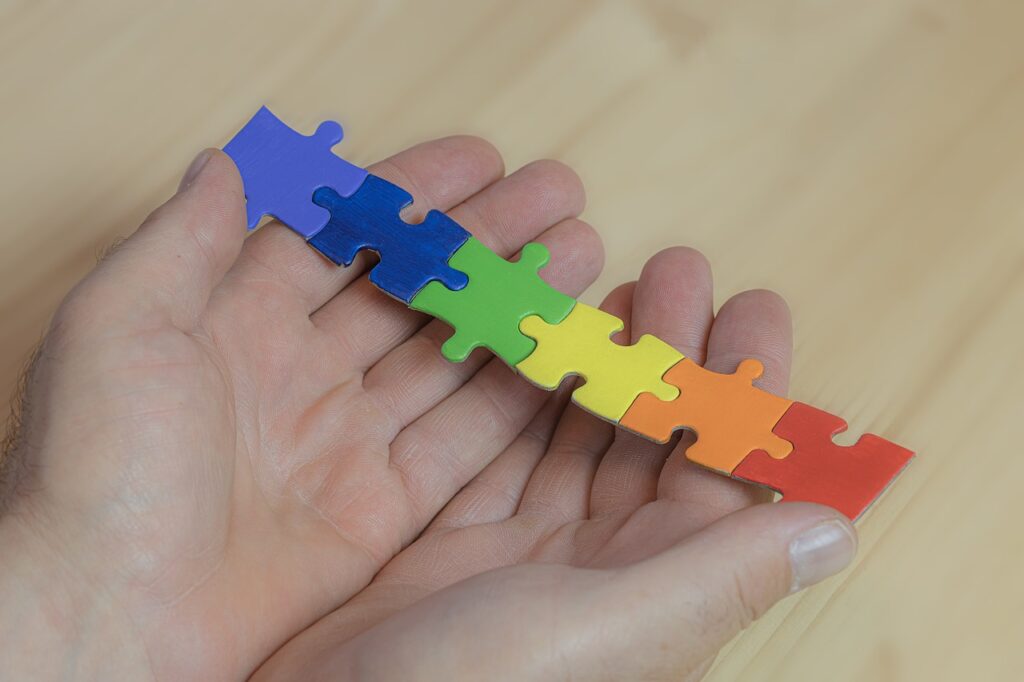
When we stop pushing, curiosity steps forward. Kids don’t need pressure — they need space to wonder and explore. Discover the science and simple shifts that help learning bloom naturally.
When Pressure Fades, Curiosity Steps Forward
If you’ve ever felt like the more you push your child to “learn,” the more they resist — you’re not imagining it.
It’s not laziness or lack of motivation. It’s the brain’s natural response to pressure.
When kids feel constantly managed or measured, their brains release cortisol, the stress hormone that shuts down curiosity and creativity.
As Dr. Daniel Siegel explains, “Children learn best when they feel safe, seen, and supported — not when they feel controlled.” When we stop pushing, we don’t create chaos — we create calm. And in that calm, curiosity wakes up!
The Paradox of Motivation: Why less is more
Here’s the surprising truth: The less we push, the more children want to learn.
Psychologist Edward Deci discovered that pressure and rewards actually reduce intrinsic motivation. Kids lose interest because learning starts to feel like a job. But when we trust their natural drive, they enter a state of “autonomous motivation” — learning because it’s meaningful, not mandatory.

True motivation grows from choice, not control.
What You’ll See When You Ease the Pressure
Within weeks of letting go, many parents notice:
Curiosity returns — your child starts asking, building, exploring again.
Energy rises — learning feels lighter and more joyful.
Connection deepens — power struggles fade; trust grows.
No one’s “falling behind.” They’re finally learning from the inside out — the way human brains are wired to learn.
5 Gentle Shifts That Change Everything
Try these small, science-backed shifts to reduce pressure without losing direction:
- Pause Before Reminding → Instead of “You should be working,” ask, “What’s interesting you today?”
- Replace Routines with Rhythms → Offer flow instead of rigid schedules.
- Model Curiosity → Let them see you learn for pleasure.
- Celebrate Process, Not Product → Praise effort, reflection, and growth.
- Make Room for Boredom → It’s not wasted time; it’s the birthplace of creativity.
Each of these steps tells your child, “I trust your process.” And that trust builds confidence — the foundation of self-directed learning.
Letting go of control isn’t giving up — it’s growing up as an educator.
When we trade pressure for partnership, something shifts in both child and parent:
- You rediscover your child’s spark.
- They rediscover their self-trust.
- Learning becomes a shared journey, not a checklist.
That’s the moment education becomes alive again
Next Step: Rebuild from Curiosity
If this message resonates, take the next gentle step: Deschooling 101: Why Doing ‘Nothing’ Is the First Step in Self-Directed Learning
And grab your free Self-Directed Learning Guide— a research-backed guide to raising curious, confident learners without pressure