

Discover why deschooling — the intentional pause from structured education — is the essential first step toward true self-directed learning and lifelong motivation. If you’re just beginning your homeschooling or self-directed learning journey, you may have already felt it — the urge to “get started right away.” You’ve researched curriculums, printed planners, and maybe even worried about falling behind.
But here’s the truth: the best way to begin is actually to do less, not more.
Deschooling is the essential — and often misunderstood — first step in self-directed learning. It’s not about giving up on education. It’s about unlearning the habits and beliefs that prevent curiosity, confidence, and authentic motivation from taking root.
It’s a pause that allows both you and your child to reconnect with how learning really happens.
What Is Deschooling?
The term “deschooling” was popularized by educational philosopher Ivan Illich, who challenged the idea that learning only happens within formal institutions.
In the homeschooling and self-directed education world, deschooling refers to the intentional transition period after leaving traditional school — a time to detox from rigid structures, performance expectations, and externally driven learning.
In practical terms, it means:
- No structured curriculum for a while
- No tests, grades, or checklists
- Lots of time for rest, exploration, and play
It’s not laziness or avoidance — it’s resetting your nervous system and your mindset so that curiosity can come alive again.
The Science Behind Deschooling: Why “Doing Nothing” Works
Neuroscience shows that autonomy and emotional safety are key drivers of motivation.
When children are under pressure to perform or meet external expectations, the brain’s stress systems activate — releasing cortisol, which suppresses curiosity and creativity.
Deschooling removes those stressors and gives the brain space to rebalance.
As the pressure drops, dopamine (the “motivation molecule”) begins to flow again — sparking interest, initiative, and focus.
In this relaxed, safe state, children begin to:
- Reconnect with what genuinely excites them
- Rediscover intrinsic motivation
- Rebuild confidence in their ability to learn naturally
That’s why, paradoxically, “doing nothing” often leads to the most meaningful kind of learning.
Why Parents Need Deschooling Too
Deschooling isn’t just for kids — it’s for parents as well.
Most of us grew up believing that learning equals instruction, that productivity equals progress, and that quiet equals success. When those patterns are challenged, it’s normal to feel anxious.
You might catch yourself thinking:
- “Are they learning enough?”
- “Shouldn’t we be doing something academic?”
- “What if they fall behind?”
Those thoughts are symptoms of your own schooled mind trying to regain control. Deschooling invites you to trust the process — to observe learning without forcing it. Try to notice moments of genuine curiosity: the questions your child asks while baking, the patterns they spot in nature, the stories they invent while playing.
That’s learning — spontaneous, integrated, and alive
How Long Should Deschooling Last?
There’s no single formula, but a common rule of thumb is one month of deschooling for every year spent in traditional school.
That doesn’t mean your child will be doing nothing for months — it means giving space for gradual recovery and exploration. Some kids reawaken curiosity quickly; others need longer to feel safe enough to trust their own interests again.
Watch for these signs that deschooling is “working”:
- Your child begins initiating activities on their own
- They start asking more questions again
- They become calmer, more imaginative, or more talkative
- Play and exploration increase naturally
What to Do During Deschooling (Without “Doing School”)
Here’s what deschooling can look like day-to-day:
1. Prioritize connection.
Spend time together — talk, walk, bake, play, listen. Curiosity grows from safety and belonging.
2. Observe, don’t direct.
Keep a simple “learning journal.” Note what sparks your child’s attention, what frustrates them, and what energizes them.
3. Invite, don’t assign.
Leave books, art supplies, or tools out in the open. Offer gentle invitations: “Would you like to explore this?” rather than “You should do this.”
4. Reconnect with the natural world.
Time outside helps regulate mood, focus, and nervous system balance — all essential for creative learning.
5. Reflect together.
At the end of the week, ask: “What did you enjoy most?” or “What felt interesting or new?” Reflection builds self-awareness — the foundation of self-directed learning.
The Emotional Side of Deschooling
Deschooling often brings up unexpected emotions — relief, guilt, confusion, even grief.
It’s normal to feel disoriented when you stop “doing school.” You may even question your ability to guide your child.
Remember: the discomfort is a sign that you’re shifting from external validation to internal trust. Be gentle with yourself. You’re not falling behind — you’re laying the foundation for genuine, self-motivated learning
What Happens After Deschooling
When curiosity returns, you’ll start to see patterns — your child’s natural rhythms, learning preferences, and areas of interest.
That’s when you can begin gently layering in self-directed learning structures:
- Project-based exploration
- Interest-driven studies
- Strength-based tools
- Reflection and documentation
Deschooling prepares the ground for these next steps. It helps you shift from managing learning to mentoring it
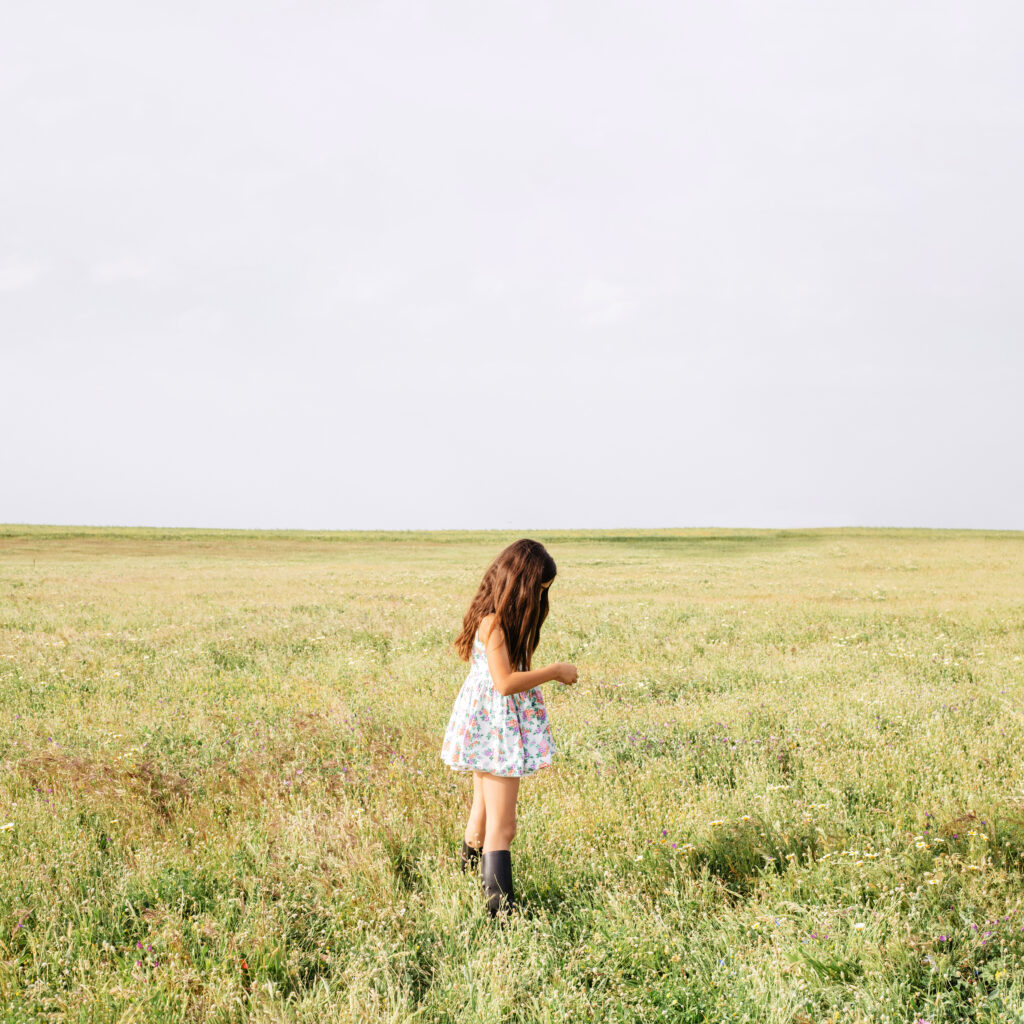
Common Myths About Deschooling
Myth 1: “My child will fall behind.”
Deschooling doesn’t erase knowledge — it restores the brain’s readiness to learn. When motivation returns, learning accelerates.
Myth 2: “Deschooling means doing nothing forever.”
It’s a transition, not a permanent state. You’ll gradually reintroduce projects and learning — but now they’ll be chosen rather than assigned.
Myth 3: “My child is just being lazy.”
Fatigue and resistance are often signs of burnout, not laziness. Deschooling helps rebuild mental energy and emotional resilience
The Power of the Pause
Deschooling is like letting the soil rest before planting again. It may look quiet on the surface, but beneath that stillness, deep renewal is happening.
When we stop pushing learning, we give space for curiosity to bloom naturally. When we trust the process, we show our children what real learning feels like — joyful, meaningful, and self-driven.
Ready for the Next Step?
When you and your child feel ready to move forward, explore our practical guide, download your free Self-Directed Learning Guidebook — your step-by-step guide to building rhythms, reflection habits, and learning environments that work for you.